About us
About Specta(c)tor
Specta(c)tor is a Geneva-based cultural mediation organisation that primarily uses forum theatre as a tool for engagement and dialogue.
We work in French and English, using methods that draw on both verbal and non-verbal language, such as image theatre and other tools inspired by cultural mediation and the Theatre of the Oppressed.
Our aim is to create participatory spaces where everyone can express themselves, share their experiences and collectively reflect on solutions to social, cultural and institutional challenges.
Artistic direction
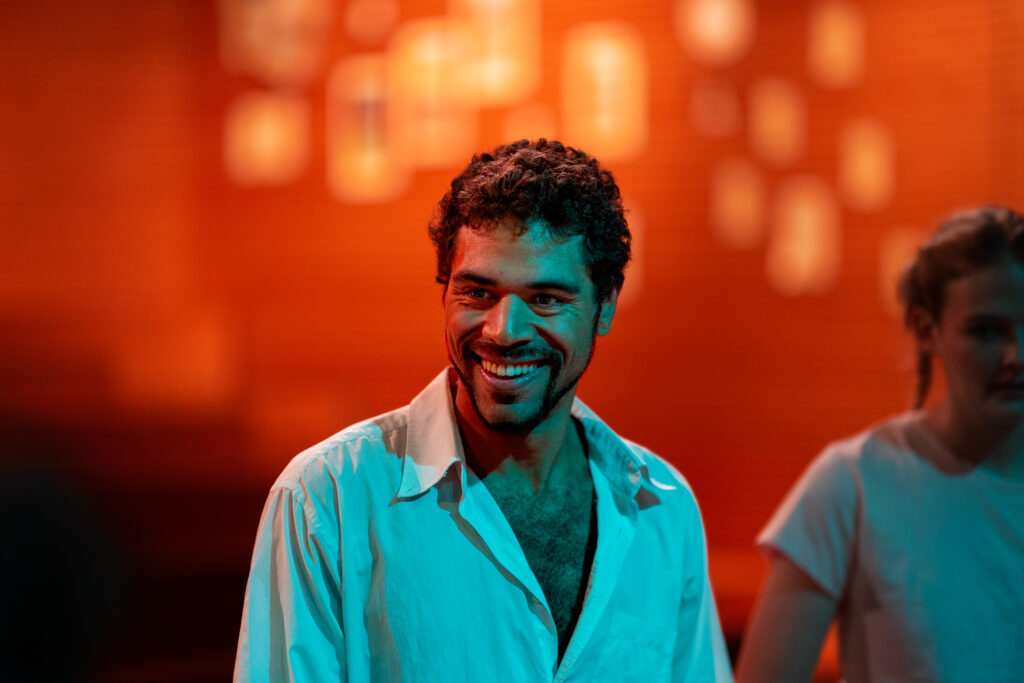
Nyan is the founder and artistic director of Specta(c)tor. For him, theatre facilitation, cultural outreach, directing, acting, dance, social engagement, writing and teaching are all interconnected.
Our methods
First, we present the participants with scenes that illustrate problematic behaviours. Next, unlike in so-called ‘traditional’ theatre, participants in forum theatre are invited to take part in the scene on an equal footing with the actors. From their position on stage, they can seek solutions to the problems presented, thus becoming “spect-actors” (hence the name of our association).
What happens during a forum theatre session at Specta(c)tor?
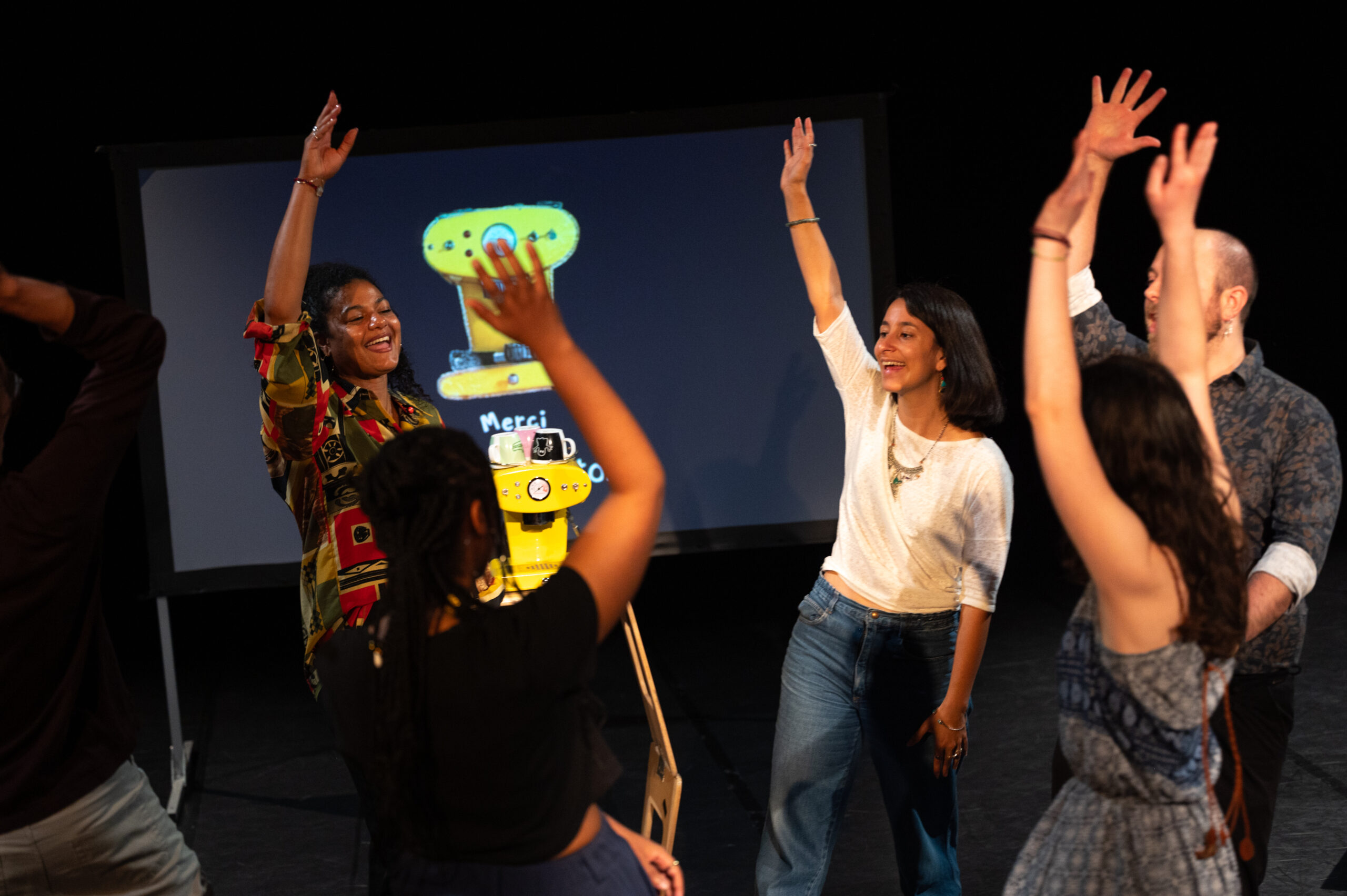
- Group warm-up with the audience – Simple, effective exercises to foster a spirit of camaraderie, spark the imagination and get the body moving.
- Scene description – A short scene, lasting between 30 seconds and 15 minutes, based on in-depth research, in which all the characters make poor decisions leading to a negative outcome.
- Re-enacting to find solutions – The scene is re-enacted, and participants have the opportunity to take to the stage, step into a character’s shoes or appear as themselves, and suggest alternative ways of acting. Participation is always voluntary and never compulsory. The Specta(c)tor team then improvises based on these suggestions, drawing on their preparation and research related to the topic.
- Reflection with the audience – This debriefing phase, which may be more or less formal depending on the context, provides an opportunity to explore together how the proposals discussed can be put into practice, at both an individual and a systemic level.
Through this method, we create spaces for collectively seeking solutions under realistic conditions, without imposing ‘our’ solutions. Thus, our role is that of facilitators and mediators, not teachers or activists. This co-creation of tools and this awareness arising from the participants themselves encourages the integration of solutions and their implementation, taking into account the participants’ specific circumstances.